
Spring Roof Maintenance: What Every Homeowner Needs to Know
Winter does not announce the damage it leaves behind. By the time you notice a water stain spreading across your ceiling or feel a draft near your attic, the problem has usually been brewing for weeks, sometimes months. That is why spring is the single most important season to give your roof a thorough inspection, and it is exactly what the team at JNL Roofing Contractors helps homeowners do every year before the April and May rains arrive in full force.
According to the Insurance Information Institute, water damage and freezing are among the leading causes of homeowner insurance claims in the country, with roof-related damage accounting for a significant share of those payouts. The good news is that most of these claims are preventable. Catching small issues in early spring, before seasonal storms compound them, is the most cost-effective thing you can do for your home. Think of it as a wellness check for the structure that protects everything underneath it.
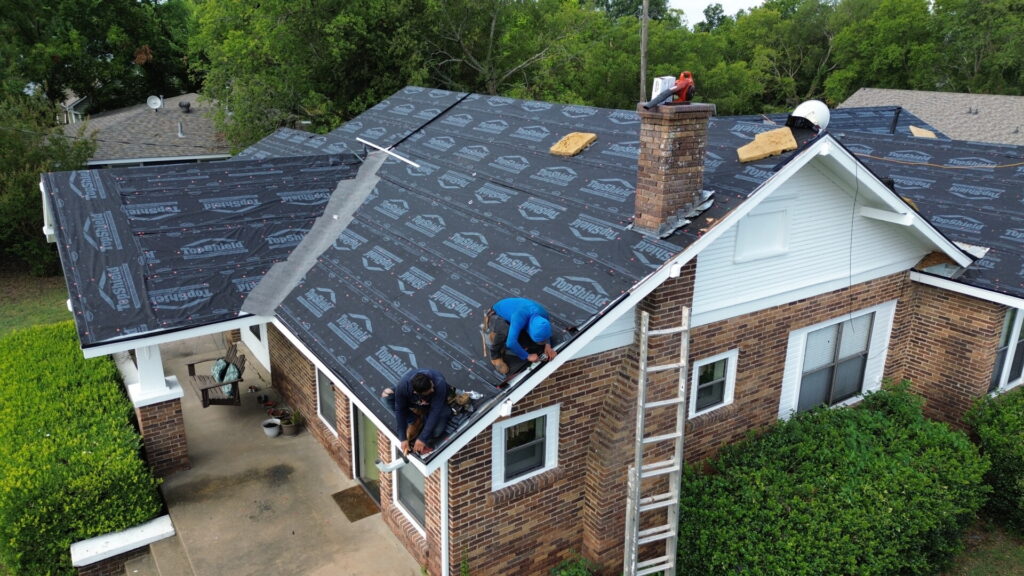
Why Winter Is So Hard on Your Roof
Your roof spent the last few months absorbing freeze-thaw cycles, wind-driven debris, and temperature swings that can be brutal on materials even in milder climates. When water gets into even a hairline crack in your shingles or flashing and then freezes, it expands and forces that crack wider. Repeated enough times across a single season, this process, known as thermal cycling, can turn minor surface wear into genuine structural vulnerability.
The Most Common Winter Damage Signs
Granule loss is one of the first things a trained eye looks for after winter. Asphalt shingles are coated with small granules that protect the underlying material from UV exposure and moisture. When you see an unusual amount of those granules collecting in your gutters or downspout areas, it is a reliable indicator that your shingles are nearing the end of their protective life or have been stressed by recent weather.
Flashing damage is another frequent culprit. Flashing refers to the thin metal strips that seal the joints around chimneys, skylights, vents, and roof valleys, and those areas tend to expand and contract at different rates than surrounding materials. Over a hard winter, that movement can pull flashing loose or create gaps that funnel water directly into the roof deck below.
Preparing Your Roof for Spring Rain
Once you have assessed winter’s impact, the preparation phase is where you protect your investment going forward. Start with your gutters. Gutters clogged with winter debris force water to pool along the roofline rather than drain away from your foundation, and standing water is one of the fastest paths to rot, mold, and interior leaks. Cleaning them out and checking that they are pitched correctly toward the downspouts takes less than an afternoon and prevents a surprising amount of downstream damage.
Ventilation and Insulation Matter More Than You Think
A roof that is not properly ventilated will trap heat and moisture in the attic, and that combination accelerates shingle deterioration from the inside out. Many homeowners focus entirely on the exterior surface while the real damage accumulates in the space just beneath it. If your attic feels unusually warm or humid when you check it in spring, that is a signal worth taking seriously before summer heat makes the situation worse.
When to Call a Professional
There is a meaningful difference between a visual check from the ground and a proper hands-on inspection from someone who knows what to look for. A qualified roofing contractor can assess your decking, underlayment, and ventilation in ways that simply are not visible from a ladder or a ground-level walk-around. At JNL Roofing Contractors, our spring inspections are designed to give homeowners a clear, honest picture of where their roof stands and what, if anything, needs attention before the next round of heavy rain.
You do not have to wait until there is a problem to reach out. A proactive inspection this spring can save you from a much more expensive conversation in the fall. Contact JNL Roofing Contractors today to schedule yours.