
How Should DFW Multifamily Properties Prepare Their Roofs for Winter?
DFW multifamily properties should prepare their roofs for winter by scheduling a professional inspection, clearing gutters and drains, checking flashing and roofing materials, repairing existing damage, and identifying areas vulnerable to leaks. Completing this roof maintenance checklist before freezing temperatures arrive helps apartment communities prevent water intrusion, reduce emergency repairs, and protect residents throughout the winter season.
Winter weather in North Texas can be unpredictable. One week may bring mild sunshine, while the next delivers freezing temperatures, heavy rain, or ice. For multifamily property managers, these fluctuations make proactive roof maintenance especially important. A small roofing issue that goes unnoticed in November can become a costly emergency when winter storms arrive.
At JNL Roofing, we understand the challenges of maintaining roofing systems across apartment communities and multifamily properties throughout the Dallas-Fort Worth Metroplex. Our team focuses on helping property owners and managers identify potential roofing concerns, prioritize necessary repairs, and protect their investments with practical, dependable solutions. Whether your property is in Dallas, Fort Worth, Frisco, Plano, or Arlington, preparing your roof before winter is an important step toward maintaining a safe, comfortable environment for residents.
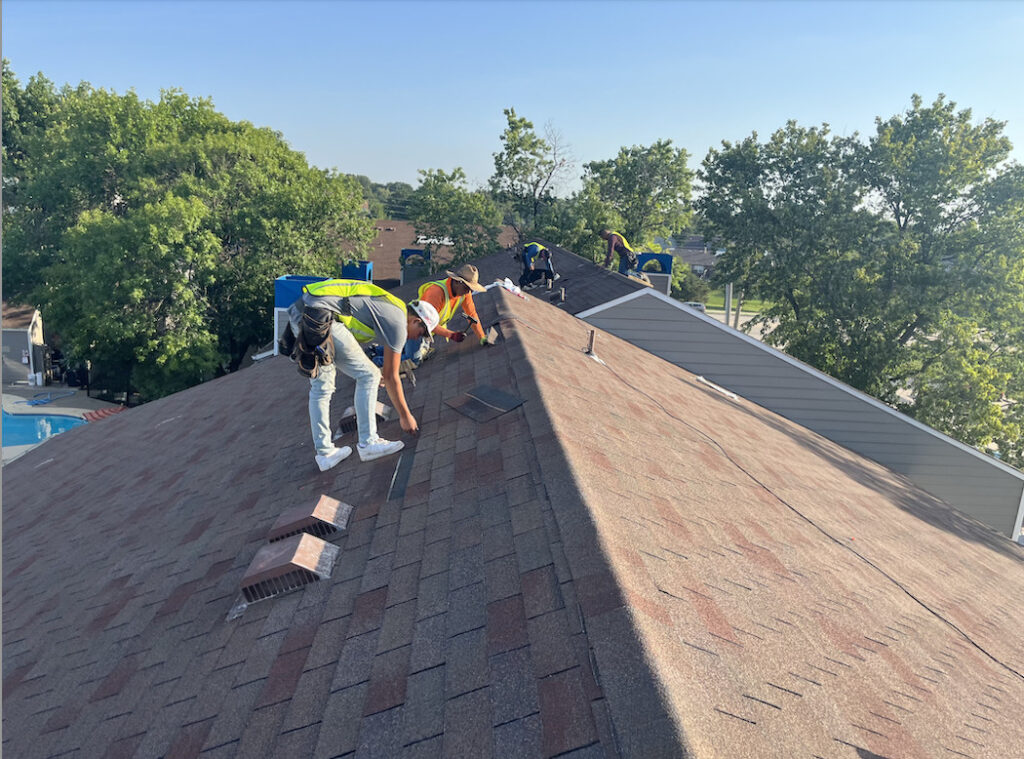
Essential Winter Roof Maintenance Checklist for DFW Apartment Communities
A comprehensive winter roof maintenance plan focuses on five areas: overall roof condition, drainage, flashing and penetrations, existing damage, and ongoing monitoring.
Because multifamily properties often have multiple buildings, rooflines, and drainage systems, a structured approach helps maintenance teams avoid overlooking vulnerable areas.
1. What Should a Multifamily Roof Inspection Include Before Winter?
A professional roof inspection should identify existing damage, potential leak locations, drainage problems, and roofing components that may fail during winter weather.
Fall is an ideal time to evaluate roofing systems because property managers can address concerns before freezing conditions complicate repairs.
During an inspection, roofing professionals should examine:
- Roofing membranes: Look for punctures, open seams, blistering, and signs of deterioration on flat or low-slope roofs.
- Shingles: Identify missing, cracked, curled, or loose shingles on pitched roofing systems.
- Flashing: Check metal flashing around chimneys, vents, walls, and roof transitions.
- Roof penetrations: Inspect HVAC equipment, plumbing vents, and other rooftop components for vulnerable seals.
- Interior warning signs: Investigate ceiling stains, damp insulation, and reported leaks.
Multifamily buildings often have extensive roof surfaces and numerous penetrations. Even minor defects can allow moisture to enter multiple residential units or shared spaces.
Property managers should document inspection findings and prioritize repairs based on the severity of each issue.
2. Why Is Clearing Gutters and Roof Drains Important Before Freezing Weather?
Blocked gutters and roof drains can cause water to accumulate, increasing the risk of leaks, ice formation, and damage to roofing components.
During fall, leaves, dirt, and debris can collect around drainage systems. When winter storms arrive, restricted drainage may prevent water from moving safely away from the building.
For DFW apartment communities, this is particularly important because North Texas frequently experiences temperature swings that allow accumulated water to freeze and thaw.
Before winter, maintenance teams should:
- Remove leaves and debris from gutters and downspouts.
- Clear roof drains, strainers, and scuppers.
- Inspect gutters for sagging, separation, or visible damage.
- Check that downspouts direct water away from building foundations.
- Investigate areas where standing water remains after rainfall.
Flat and low-slope commercial roofing systems require particular attention because they depend on properly functioning drainage systems.
According to the National Roofing Contractors Association (NRCA), routine roof inspections and maintenance are important components of protecting commercial roofing systems and identifying problems before they become more serious.
Keeping drainage pathways clear is one of the simplest ways to reduce avoidable winter roofing problems.
3. Which Roof Repairs Should Property Managers Prioritize Before Winter?
Active leaks, damaged flashing, open membrane seams, and missing roofing materials should receive priority because they create direct pathways for water intrusion.
Waiting until a winter storm exposes existing damage can lead to more expensive repairs and disruptions for residents.
For multifamily properties, high-priority repairs typically include:
- Active leaks: Address known water intrusion before additional rain or freezing weather worsens interior damage.
- Loose or damaged flashing: Repair vulnerable roof transitions and penetrations.
- Membrane damage: Correct punctures, separated seams, and deteriorated roofing materials.
- Missing or damaged shingles: Replace compromised materials that leave the roof exposed.
- Drainage defects: Repair damaged gutters, blocked outlets, or other conditions contributing to standing water.
Property managers should also review previous maintenance records. Areas with recurring leaks or repeated repairs may require a more thorough evaluation rather than another temporary patch.
JNL Roofing can help multifamily property managers assess roofing concerns and determine which repairs should be addressed before winter conditions arrive.
4. How Can DFW Property Managers Reduce Winter Roof Emergencies?
The most effective way to reduce winter roofing emergencies is to combine preventive maintenance with a clear inspection, reporting, and response plan.
The National Weather Service’s Fort Worth office documents North Texas winter weather hazards, including freezing rain, sleet, and snow. These conditions can create challenges for roofs, drainage systems, and maintenance crews throughout the Metroplex.
For apartment communities, preparation should extend beyond the roof inspection itself.
Property managers can take several practical steps:
- Create a roof maintenance log: Record inspection dates, identified concerns, completed repairs, and warranty information.
- Establish a resident reporting process: Encourage residents to report ceiling stains, dripping water, or unusual moisture immediately.
- Identify emergency contacts: Keep roofing contractor information accessible to property management and maintenance teams.
- Coordinate rooftop equipment maintenance: Have qualified technicians inspect HVAC components and related roof penetrations.
- Review vulnerable buildings: Give additional attention to older roofs and structures with previous leak histories.
Maintenance teams should avoid walking on icy or storm-damaged roofs. Inspections and repairs involving elevated work, slippery surfaces, or potentially compromised roofing materials should be handled by qualified professionals.
A documented plan helps property managers respond efficiently when winter weather creates unexpected problems.
5. When Should Multifamily Properties Schedule Winter Roof Maintenance?
DFW multifamily properties should ideally schedule winter roof inspections during the fall, before the first significant freeze or winter storm.
October and November are practical planning months for many apartment communities. Scheduling early gives roofing professionals time to evaluate conditions and complete necessary repairs before colder weather limits available work windows.
However, properties that have not completed their inspections should not wait until spring. A roof assessment can still identify urgent problems and help establish a maintenance plan during the winter months.
For communities managing multiple buildings, consider organizing inspections by roof age, repair history, and overall condition.
Properties with older roofing systems or recurring leaks may benefit from more frequent evaluations, particularly after severe storms.
Frequently Asked Questions About Winter Roof Preparation in DFW
Can freezing temperatures damage multifamily roofs in North Texas?
Yes. Freezing temperatures can worsen existing cracks, openings, and drainage problems. Water that enters vulnerable areas may expand when frozen, potentially increasing damage to roofing materials and surrounding components.
How often should apartment buildings have their roofs inspected?
Many commercial roofing maintenance programs recommend professional inspections at least twice per year, typically in spring and fall, as well as after significant storms. Inspection frequency should also follow the roofing manufacturer’s warranty and maintenance requirements.
Do flat roofs need special preparation for winter?
Yes. Flat and low-slope roofs require careful attention to drainage, membrane seams, flashing, and areas where water collects. Proper drainage is especially important before freezing temperatures arrive.
What are the warning signs of winter roof damage?
Common warning signs include ceiling stains, active leaks, damaged flashing, missing shingles, separated membrane seams, and persistent standing water. Property managers should arrange a professional assessment when these issues appear.
Ready to Prepare Your Multifamily Roof for Winter? Contact JNL Roofing!
Winter roofing problems can create unexpected expenses, resident complaints, and unnecessary disruptions for multifamily communities. Taking preventive action now helps protect your buildings, control maintenance costs, and reduce the risk of emergency repairs.
JNL Roofing proudly serves multifamily property owners and managers throughout the Dallas-Fort Worth Metroplex. Our team is ready to help you identify roofing concerns, address necessary repairs, and prepare your property for changing North Texas weather.
Don’t wait for the next winter storm to reveal a roofing problem. Contact JNL Roofing today to discuss your multifamily roof maintenance needs and schedule a professional assessment.