
Commercial Roof Leaks: Your Emergency Response Plan
Every business owner dreads that moment when a dark stain appears on the ceiling or water starts dripping onto valuable equipment during a rainstorm. Commercial roof leaks aren’t just an inconvenience—they’re a threat to your operations, inventory, and bottom line. At JNL Roofing Contractors, we’ve helped countless commercial property owners navigate these emergencies, and we understand the stress that comes with protecting your business investment.
The reality is sobering: according to the National Roofing Contractors Association, water infiltration accounts for nearly 70% of all roofing problems. For business owners, the consequences extend far beyond the visible water damage. You’re facing potential inventory loss, equipment failure, employee safety concerns, and possible business interruption. The good news? A systematic approach can significantly reduce the impact of a roof leak and help you make informed decisions about repairs.
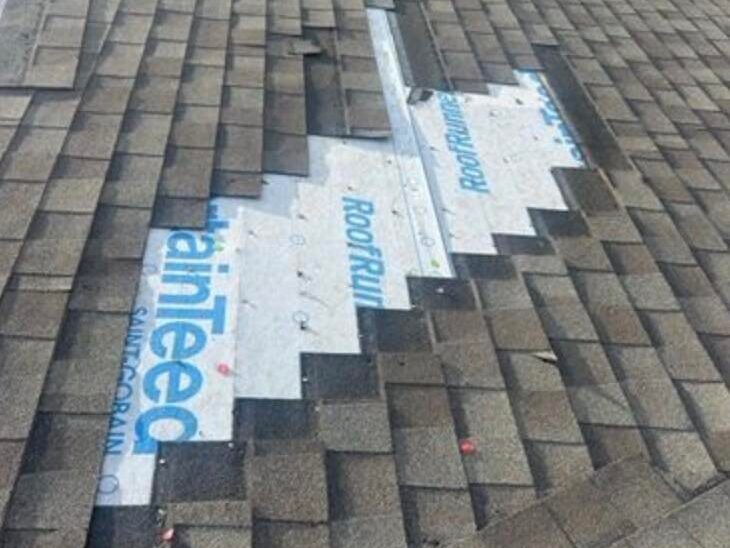
Immediate Actions When You Discover a Leak
Time matters when water is entering your building. Your first priority should be protecting your assets and ensuring safety. Move any equipment, inventory, or furniture away from the affected area if you can do so safely. Place containers to catch dripping water and prevent it from spreading across floors or seeping into walls.
Document everything with photographs and videos. This visual evidence becomes invaluable when filing insurance claims and helps roofing contractors understand the scope of the problem before they arrive. Capture images of the interior damage, any visible exterior issues, and the overall affected area.
Contact a professional roofing contractor immediately, even if the leak seems minor. What appears as a small drip often indicates a larger problem hidden from view. A qualified contractor can perform a thorough inspection to identify the source and extent of the damage.
Understanding What’s Happening Above
Roof leaks rarely occur without warning signs. In many cases, years of gradual deterioration or a recent severe weather event precipitate the problem. Commercial roofs face constant exposure to UV radiation, temperature fluctuations, and physical stress from wind and precipitation. Over time, materials break down, seals fail, and vulnerabilities develop.
The challenge with commercial roofs is that water doesn’t always enter where you see it inside. Water can travel along roof decking, insulation, or structural members before finding a path into your workspace. This phenomenon explains why finding the actual source requires professional expertise and specialized equipment.
Working With Your Roofing Contractor
When your roofing contractor arrives, they’ll conduct a comprehensive inspection that examines not just the obvious problem area but the entire roofing system. Modern leak detection may involve infrared scanning to identify moisture trapped in roofing materials, core sampling to assess insulation condition, and detailed structural evaluation.
Expect your contractor to provide you with a written assessment that explains the cause of the leak, the recommended repair approach, and a timeline for completion. This report should distinguish between emergency temporary measures and permanent solutions. Temporary repairs might include tarping or sealant application to prevent further water entry while a comprehensive repair plan is developed.
Making Smart Decisions About Repairs
Not every roof leak means you need a complete replacement. Many leaks can be effectively repaired if caught early and addressed properly. Your contractor should explain whether a repair will provide a long-term solution or simply buy you time while you plan for replacement.
Consider the age of your roof, the extent of damage, and your long-term business plans when evaluating options. A roof nearing the end of its expected lifespan might warrant replacement rather than investing in extensive repairs. Conversely, a relatively new roof with isolated damage typically benefits from targeted repairs.
Preventing Future Problems
Once you’ve addressed the immediate crisis, shift your focus to prevention. Establishing a regular roof maintenance program significantly reduces the likelihood of future emergencies. Scheduled inspections allow contractors to identify and address minor issues before they become major problems.
Keep gutters and drains clear of debris, trim overhanging branches, and maintain detailed records of all roof work. This proactive approach protects your investment and provides valuable documentation for warranty claims and insurance purposes.
When roof problems arise, having a trusted partner makes all the difference. JNL Roofing Contractors brings the expertise and responsiveness that business owners need when every minute counts. Contact us today to schedule an inspection or discuss your commercial roofing needs.