
Addressing Roof Noise: Why Your Roof Might Be Making Sounds
That sudden pop in the middle of the night. The persistent creaking during a windstorm. The mysterious banging sounds that seem to come from nowhere. If you’ve been lying awake wondering whether your roof is trying to tell you something, you’re not alone. Roof noise is one of the most common concerns homeowners contact us about at JNL Roofing Contractors, and while some sounds are perfectly normal, others might signal it’s time for professional attention.
The good news is that most roof noise doesn’t indicate a catastrophic problem. Your roof is a complex system of materials that expand, contract, and shift with temperature changes and weather conditions. Understanding what causes these sounds can help you determine when to relax and when to reach for the phone.
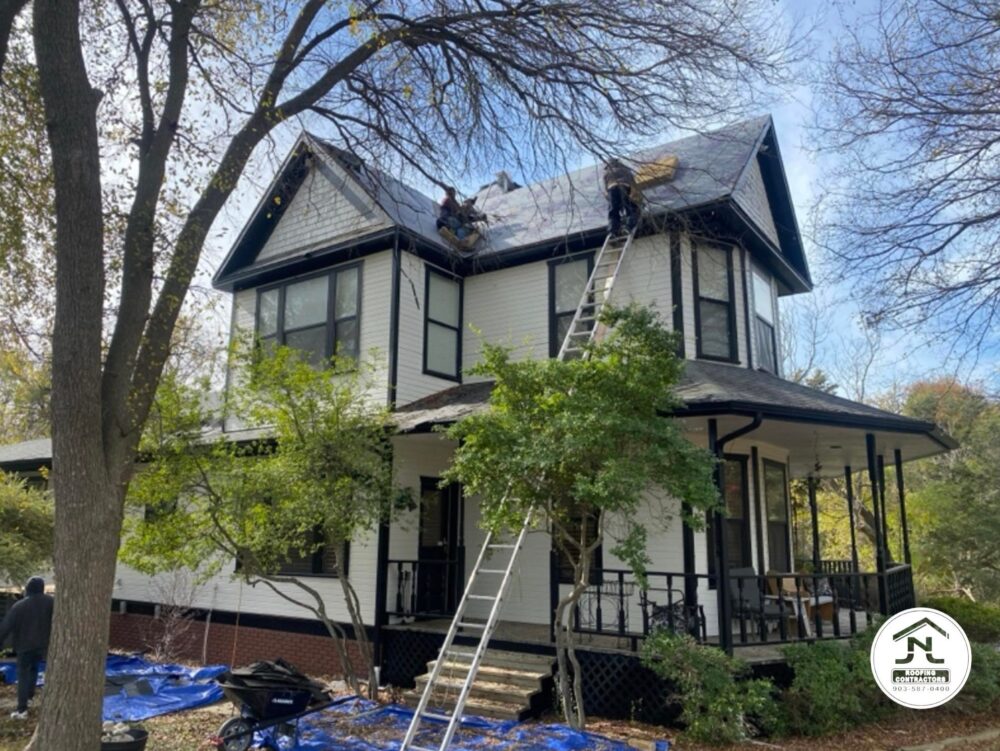
What Causes Common Roof Noises?
The most frequent culprit behind roof noise is actually physics at work. When temperatures swing from hot to cold, or when the sun beats down on your roof all day before cooling rapidly at night, the materials respond accordingly. Metal flashing, roof decking, and even the nails holding everything together expand when heated and contract when cooled. This movement creates those distinctive popping, clicking, or banging sounds that can startle you awake.
Wood roof decking is particularly prone to these noises because it absorbs moisture from humidity and releases it during dry conditions. As the wood expands and contracts, it rubs against nails and other fasteners, creating friction-based sounds that can echo through your attic space. While this might sound alarming, it’s typically harmless and simply part of how your roof responds to environmental changes.
Wind-Related Sounds
When wind speeds pick up, your roof experiences varying pressure across its surface. Loose shingles, unsecured flashing, or gaps in the roof structure can amplify these effects, creating whistling, flapping, or rattling sounds. Even a properly installed roof might produce some noise during particularly gusty conditions, but persistent wind noise often indicates that something has worked loose and needs attention.
The roof’s underlayment and sheathing can also flex slightly in high winds, especially if there are weak spots in the structure. While modern roofing systems are designed to handle significant wind loads, any unusual increase in wind-related noise warrants a professional inspection to ensure your roof’s integrity remains intact.
Animal Activity
Sometimes the source of roof noise isn’t your roof at all but rather uninvited guests who’ve decided your attic makes an excellent home. Squirrels, raccoons, birds, and even bats can create scratching, scurrying, or thumping sounds that homeowners often mistake for structural issues. These critters tend to be most active during dawn and dusk, so if your roof noise follows a predictable schedule, wildlife might be the answer.
When Roof Noise Signals a Real Problem
While many roof sounds are benign, certain noises deserve immediate attention. A loud crack or snap could indicate structural damage, particularly after severe weather or heavy snow loads. Constant dripping sounds might reveal an active leak that’s causing water damage to your decking and insulation. Grinding or scraping noises often suggest that something is actively deteriorating or rubbing where it shouldn’t be.
If your roof noise has changed in character, intensity, or frequency, that’s your cue to schedule an inspection. New sounds or sounds that persist regardless of weather conditions often indicate developing problems that are much easier and less expensive to address early.
How Professional Roofing Contractors Diagnose Noise Issues
When you contact JNL Roofing Contractors about concerning roof noise, our team begins with a thorough inspection of both your roof’s exterior and your attic space. We look for loose materials, proper ventilation, adequate fastening, and signs of moisture intrusion or pest activity. Many noise issues have simple solutions, from securing loose flashing to adding ventilation that equalizes air pressure and reduces movement.
Our experience has shown that addressing roof noise often improves more than just your peace of mind. The same conditions causing annoying sounds frequently contribute to reduced energy efficiency and premature wear on roofing materials. By identifying and correcting these issues, you’re often extending your roof’s lifespan while eliminating the disturbance.
Taking the Next Step
Your roof shouldn’t keep you up at night, whether from worry or actual noise. If you’re uncertain about the sounds coming from above, we encourage you to trust your instincts and reach out for a professional evaluation. At JNL Roofing Contractors, we’ve heard it all, quite literally, and we’re always happy to provide straightforward answers about what’s normal and what needs attention. A quick inspection can provide tremendous peace of mind and catch small issues before they become big headaches. Give us a call today, and let’s solve your roof noise mystery together.